

Top Essential Considerations When Purchasing a Vacuum Cleaner
Introduction
Vacuum cleaners play a crucial role in maintaining not only the cleanliness of our living spaces but also the overall health and well-being of the occupants. A clean environment significantly reduces allergens, removes dust and dirt, and mitigates respiratory issues, making a vacuum cleaner an indispensable tool in any household. With an increasing variety of vacuum cleaners available in the market, ranging from traditional upright models to advanced robotic systems, the selection process can become overwhelming for consumers.
When faced with a plethora of options, it is essential to understand the functions and features common to these machines to aid in making an informed decision. Each type of vacuum cleaner caters to different cleaning needs and preferences. For example, an upright vacuum often provides powerful suction and large capacity for extensive cleaning tasks, while a canister vacuum might offer more versatility for reaching tight spaces. Moreover, innovations in technology have led to the emergence of specialized vacuums such as wet/dry vacuums, handheld models, and HEPA-filtered units designed for allergy sufferers.
This guide aims to outline the top five essential considerations when purchasing a vacuum cleaner, enabling readers to choose a model that best suits their cleaning requirements and lifestyle. Understanding aspects like suction power, filtration systems, maneuverability, and maintenance can significantly enhance user experience and functionality. It is our intention that this curated information will empower consumers to navigate the vacuum cleaner market confidently and select a product that will maintain a clean and healthy home for years to come.
Type of Vacuum Cleaner
When considering the purchase of a vacuum cleaner, the type of vacuum is a fundamental factor. Each type of vacuum cleaner has its unique characteristics, advantages, and drawbacks, catering to various cleaning needs and preferences.
Upright vacuum cleaners are a popular choice for homeowners, particularly those with carpets. They are designed for deep cleaning and often come with powerful suction capabilities. However, their bulkiness can make them less convenient for cleaning stairs or tight spaces.
Canister vacuum cleaners, on the other hand, offer more versatility. They typically consist of a wheeled canister connected to a vacuum head via a hose, allowing for easy maneuverability. This type is ideal for hard floors and can also efficiently clean carpets. The downside is that canisters may not always offer the same level of suction as their upright counterparts.
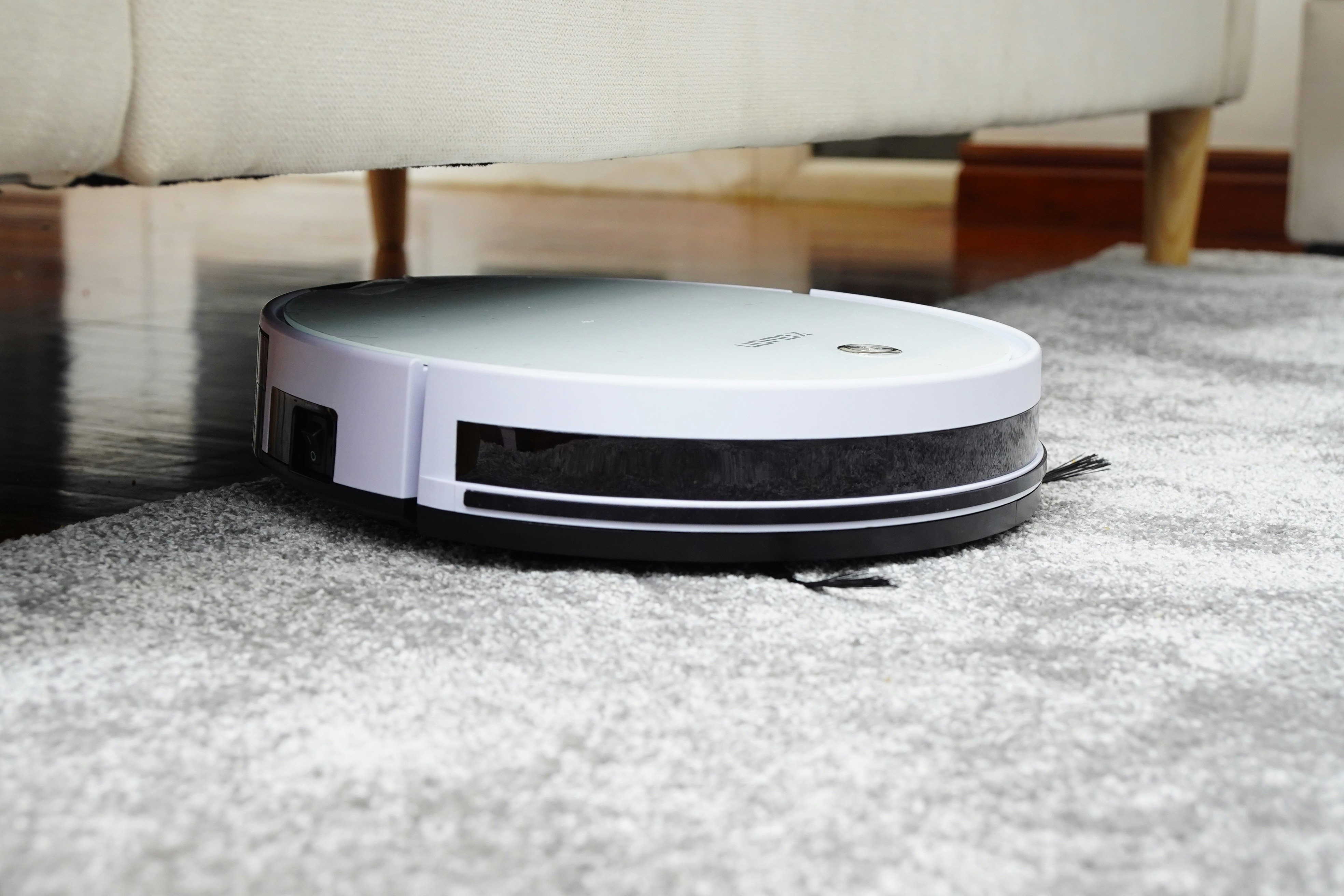
Robotic vacuum cleaners have gained popularity for their convenience and automation. They autonomously navigate through rooms, making them perfect for light cleaning tasks. While they save time, their cleaning performance on heavy dirt may not match traditional vacuums, and they often come at a higher price point.
Handheld vacuum cleaners provide portability and convenience for quick clean-ups. Suitable for small messes and tight spaces, they are typically less powerful than other types. Their limited battery life can be a hindrance for larger cleaning jobs.
Finally, wet/dry vacuums are indispensable for specific tasks, particularly in workshops or basements. They can handle both liquids and solids, making them versatile for various cleaning scenarios. However, their size and weight can be impractical for everyday household use.
Ultimately, the choice of vacuum cleaner type depends on an individual’s personal preferences and cleaning requirements. By understanding the pros and cons of each type, consumers can make an informed decision that best suits their lifestyle and home environment.
Size and Weight
When selecting a vacuum cleaner, size and weight are critical factors that can significantly impact your cleaning experience. A vacuum cleaner that is too large or too heavy may offer superior suction power and efficiency; however, it can also be cumbersome to maneuver, especially in tighter spaces such as apartments or smaller homes. Heavier models may also become tiring to use over extended periods, particularly for individuals with limited physical strength or those unable to lift heavy objects comfortably.
Conversely, lightweight vacuum cleaners present a great advantage in terms of ease of use and portability. These models are often easier to carry up and down stairs, and they can be swiftly transported from room to room. This convenience becomes especially important for individuals who regularly need to clean various areas within their homes without the added strain of handling a bulkier device. Lightweight models may sacrifice some power but often compensate with user-friendly features designed for everyday cleaning tasks.
When considering size, it is crucial to evaluate your living space and how often you move your vacuum cleaner around. If your home has multiple levels or intricate layouts, a compact and lightweight option may prove advantageous. On the other hand, larger homes with extensive floor areas might benefit from powerful vacuum models, even if they are slightly heavier, as they can more effectively cover larger spaces in less time.
In evaluating these aspects, consider your physical ability and lifestyle. When you prioritize comfort and convenience, you can select a vacuum cleaner that efficiently caters to your daily cleaning needs without compromising on quality. Understanding the balance between power, size, and weight will ultimately guide you to the right vacuum cleaner for your home.
Suction Power and Filtration System
Suction power is one of the most critical factors to consider when purchasing a vacuum cleaner. It directly influences the effectiveness of the device in removing dirt, dust, and debris from various surfaces. Generally, suction power is measured in two ways: wattage and air watts. While wattage refers to the electrical power consumed by the vacuum, air watts provide a more accurate measure of the vacuum’s performance regarding suction efficiency. A higher air wattage indicates a better ability to pick up dirt and provide a deeper clean.
When examining a vacuum cleaner’s specifications, potential buyers should pay close attention to the air watts, as this figure often provides a more reliable indication of the vacuum’s capabilities compared to wattage alone. Additionally, evaluating the design of the vacuum cleaner can also contribute to understanding its suction power, as factors such as the type of brush roll and nozzle design can enhance or diminish suction efficiency.
Equally important is the filtration system of the vacuum cleaner. A well-designed filtration system not only improves air quality but also aids in capturing finer particles, making it essential for allergy sufferers. Vacuums equipped with HEPA filters are particularly noteworthy, as they can trap 99.97% of airborne particles, including dust mites, pollen, and pet dander. By utilizing such high-efficiency filtration, a vacuum cleaner can significantly reduce indoor allergens, creating a healthier environment for occupants. Furthermore, maintaining the filtration system is crucial for sustained performance; regular replacement or cleaning of filters ensures the vacuum operates at optimal levels.
Incorporating both suction power and an effective filtration system can thus make a substantial difference in the overall performance of a vacuum cleaner, leading to a cleaner and healthier living space.
Noise Level
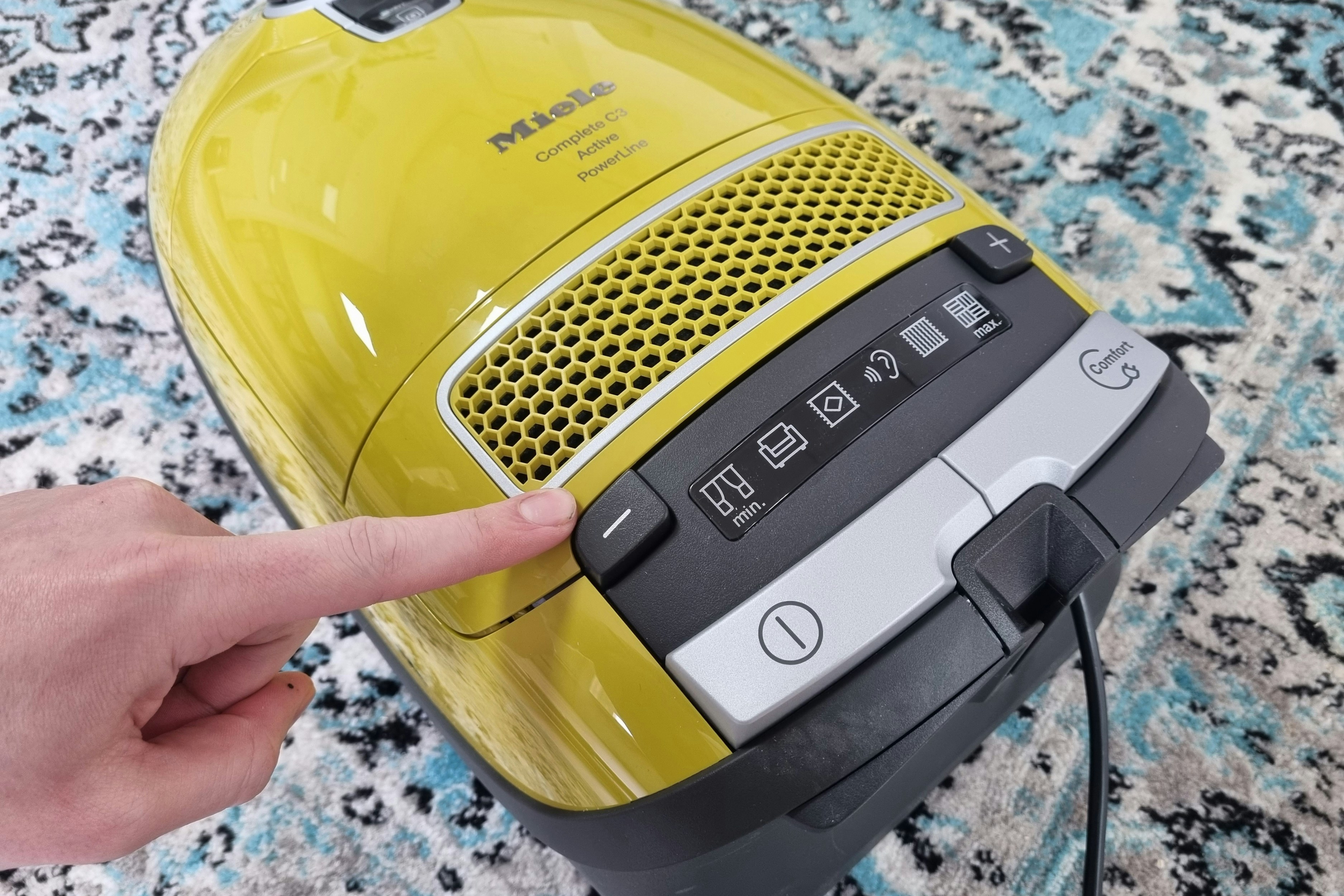
When selecting a vacuum cleaner, one crucial factor to consider is the noise level it generates during operation. Sound ratings are measured in decibels (dB), and understanding how these ratings work can significantly affect your choice. Generally, a vacuum cleaner operating at lower decibel levels will produce less intrusive noise, making it a favorable option, particularly in households with young children or pets who may be sensitive to loud sounds.
Most modern vacuum cleaners range between 60 dB and 80 dB in sound output. To put this into context, a level of 60 dB is comparable to a normal conversation, while 80 dB is similar to the noise of heavy traffic. If you operate your vacuum frequently, opting for a quieter model can provide a more pleasant cleaning experience. For instance, models designed specifically for hardwood floors or carpets might employ noise reduction technology to minimize sound without sacrificing performance.
When evaluating noise levels, prospective buyers should actively listen to the vacuum cleaner before making a purchase. Many retailers offer display models which you can test for sound. Additionally, checking consumer reviews and expert recommendations can provide valuable insights into how noisy a vacuum cleaner is in real-world scenarios. Look for terms like “quiet operation” or “low noise” in product descriptions, as these can often indicate that the manufacturer has prioritized this aspect in their design. A more serene cleaning routine can greatly enhance comfort in your home, making noise level an essential consideration when purchasing a vacuum cleaner.
Budget and Warranty
When purchasing a vacuum cleaner, establishing a clear budget is a vital step in ensuring you select a product that meets both your cleaning needs and your financial capability. The price range for vacuum cleaners can vary significantly, starting from less than $100 for basic models to well over $1,000 for high-end machines with advanced features. Analyzing your specific requirements will help guide you in determining an appropriate budget.
It is essential to understand that while a lower price can be tempting, it often reflects the vacuum cleaner’s efficiency, longevity, and performance capabilities. Investing in a slightly higher-priced vacuum may prove to be more economical over time due to enhanced durability and features, which could lead to a better overall user experience. Therefore, approaching your budget with a focus on value rather than simply cost can yield positive results.
In addition to establishing a budget, it is crucial to consider the warranty options provided by manufacturers. A good warranty signifies that the company stands behind its product, offering peace of mind with your purchase. Most vacuum cleaners come with warranties that range from one to five years. During this time, common issues related to manufacturing defects are typically covered. It is also wise to investigate what the warranty specifically covers, including parts, labor, and any limitations that may apply.
Furthermore, after-sales support can greatly enhance your ownership experience. Look into customer service options, including how easily the company can be contacted, and the availability of spare parts should you require any maintenance. Investing in a vacuum cleaner is a long-term decision, and these factors combined are essential to protect your investment and ensure satisfaction with your choice.
Accessories and Attachments
When purchasing a vacuum cleaner, one of the primary considerations should be the range of accessories and attachments included with the unit. These tools are designed to enhance the versatility and efficiency of the vacuum, making it a better fit for various cleaning tasks around the home.
Among the most common accessories is the crevice tool, which allows users to reach tight spaces and corners that are otherwise difficult to clean. This tool can effectively eliminate dust and debris from areas such as between sofa cushions, along baseboards, and in the nooks of appliances. Additionally, upholstery brushes are often included, which are specially designed to remove dirt and pet hair from furniture and drapes without causing damage. For households with pets, a vacuum cleaner with a dedicated pet hair attachment can be invaluable, as these brushes are engineered to capture hair from carpets and upholstery more effectively.
Moreover, many modern vacuum cleaners offer specialized tools, such as dusting brushes, which can be used on delicate surfaces like shelves and blinds. A hard floor attachment can help clean tile and hardwood flooring without scratching, enhancing the protective quality of the cleaning process. Depending on individual cleaning needs, buyers may also want to consider whether the vacuum supports additional attachments that can be purchased separately.
In summary, evaluating the accessories and attachments available with a vacuum cleaner can significantly influence its overall effectiveness in maintaining a clean home. Identifying specific cleaning needs will guide consumers to the most suitable options, ensuring that the chosen vacuum cleaner can tackle a variety of tasks with ease.
Brand Reputation and Reviews
When selecting a vacuum cleaner, one of the most vital considerations is the brand reputation. A well-established brand often signifies reliability and quality, attributes that are critically important in household appliances like vacuum cleaners. Brands that have stood the test of time usually invest heavily in research and development, ensuring that their products integrate the latest technologies and adhere to manufacturing standards. Therefore, examining the reputation of a brand can be a decisive factor in your purchasing process.
To assess brand reliability, consumers should utilize various resources available to them. Start by visiting official brand websites to gather information about their product offerings, warranties, and commitment to customer service. Moreover, reputable retailers often provide insights into product origins and manufacturing practices, which can further enhance a brand’s credibility.
Customer reviews and ratings are essential in evaluating a vacuum cleaner’s performance and reliability. Websites such as Amazon, Consumer Reports, and specialized appliance review platforms feature numerous reviews from actual users. These insights can reveal patterns of performance, such as suction power and durability, that you may not find in promotional material. Aim to read a broad range of reviews to gauge the consensus regarding user satisfaction.
While positive reviews indicate a high level of customer satisfaction, negative reviews can also be informative. Identifying common grievances, such as issues with customer service or product malfunctions, can help you avoid potential pitfalls. It’s wise to consider not just the average rating but also the context of the feedback provided.
In conclusion, investing time in researching a vacuum cleaner’s brand reputation and customer reviews is crucial. This approach ensures that you make a well-informed decision, ultimately assisting you in choosing a reliable product that meets your household needs effectively.
Conclusion
In summation, purchasing a vacuum cleaner is a task that should not be rushed. Throughout this blog post, we have highlighted the top five essential considerations that will guide you in making an informed decision. Every household has different cleaning needs, and understanding these needs is vital. The type of vacuum cleaner you choose should align with the surfaces you need to clean, the presence of pets, and your specific preferences regarding functionality and convenience.
Moreover, the importance of evaluating the filtration system cannot be understated. A good filtration system not only improves the air quality in your home but also offers efficiency in trapping allergens. It is wise to consider the maintenance required for the vacuum cleaner as well, as this can affect its longevity and performance over time.
Additionally, assessing the weight and maneuverability of the vacuum cleaner ensures ease of use, which is essential for effective cleaning. Lastly, the value for money should be taken into account, making sure you are investing in a quality product that meets your requirements without exceeding your budget.
As you embark on your journey to purchase a vacuum cleaner, take your time to explore various options and consider all these factors meticulously. Selecting the right vacuum cleaner can significantly enhance your cleaning routine, providing you with a cleaner home environment and a more enjoyable cleaning experience. Carefully weighing the aforementioned considerations will facilitate a thoughtful purchase decision that you will appreciate in the long run.