Understanding Your Cooking Needs
When considering the purchase of a microwave, the first step involves assessing your individual cooking habits and determining what functions you value most in a microwave oven. It is crucial to outline whether your primary need is for reheating leftovers, defrosting frozen items, cooking meals from scratch, or engaging in more advanced tasks such as baking. Understanding your specific requirements can help narrow down the choices available to you in the vast microwave market.
If you predominantly use your microwave for reheating, then a basic model with a simple interface and lower power output may suffice. Most standard microwaves feature a reheating function that effectively warms food without overcooking it. In contrast, if you find yourself often defrosting meats and frozen vegetables, a microwave that incorporates a specialized defrosting feature might be necessary. This can significantly reduce the time required for meal preparation.
For those who enjoy cooking or baking, advanced options like convection microwaves may be worth considering. These models can perform the dual function of microwaving and baking, providing versatility in meal preparation. The functionality of such microwaves can expand your culinary repertoire, allowing you to experiment with various recipes that require different cooking techniques.
Regardless of your specific needs, it is essential to consider the size of the microwave you require as well. Each model varies in capacity, so choosing one that suits your cooking volume and kitchen space is important. Additionally, think about your lifestyle. If you frequently cook for a large family or entertaining guests, a larger model could be beneficial. Conversely, a compact microwave may be ideal for those with limited kitchen space or cooking needs.
Microwave Types: Which One is Right for You?
When considering the purchase of a microwave, it is essential to evaluate the various microwave types available on the market. Understanding these types helps in selecting the one that best fits your cooking needs and kitchen layout.
Countertop microwaves are among the most popular options. These standalone units are easy to install and can be placed on any convenient kitchen surface. They offer a wide range of sizes and power levels, making them versatile for different cooking tasks. However, they tend to take up valuable counter space, which can be a drawback for smaller kitchens.
Built-in microwaves are designed to be integrated seamlessly into kitchen cabinetry, providing a sleek, modern look. They save counter space and often come with advanced features, such as sensor cooking and auto-reheat settings. Nevertheless, the installation process can be complicated and typically requires professional help, leading to higher costs.
Over-the-range microwaves combine the functionality of a microwave and a range hood. This dual-purpose appliance saves space by being installed above the stove while also providing ventilation for cooking. They are ideal for kitchens with limited space but may require a bit of adjustment for those not used to cooking with this configuration.
Finally, convection microwaves are a blend of microwave and convection cooking, allowing for a variety of cooking methods, including baking and roasting. They can save time and enhance flavors by circulating hot air, resulting in evenly cooked meals. However, they can be more expensive and may have a steeper learning curve for those accustomed only to traditional microwaves.
Size and Capacity Considerations
When selecting a microwave, size and capacity are crucial factors that can significantly affect both functionality and convenience. First and foremost, it is essential to measure the available space in your kitchen where the microwave will be situated. Consider the height, width, and depth of the area, ensuring that there is adequate ventilation and that the microwave is easy to access. Many people tend to overlook these measurements, which can lead to purchasing a unit that either does not fit or disrupts the kitchen’s aesthetic.
In addition to the physical dimensions, understanding the capacity of the microwave is equally important. Microwave capacity is typically measured in cubic feet, and it indicates how much food the appliance can accommodate. A standard microwave ranges from 0.5 to 2.0 cubic feet. If you regularly prepare meals for a large family or often entertain guests, a larger capacity microwave should be a priority. Conversely, those who typically cook for one or two may find a smaller option more suitable. It is beneficial to match the microwave’s capacity to your cooking habits, ensuring it can comfortably hold the dishes you frequently use, such as large casseroles or multiple plates when reheating leftovers.
Moreover, consider the internal configuration of the microwave. Some models include features like adjustable racks or turntables, which can enhance the cooking experience by allowing for more efficient energy distribution within the unit. By taking these size and capacity considerations into account, you can select a microwave that not only enhances your cooking capabilities but also fits seamlessly within your kitchen space. The goal is to choose an appliance that meets your individual requirements while also maximizing the available space.
Wattage and Cooking Power
Wattage is a crucial factor to consider when purchasing a microwave, as it directly influences cooking speed and efficiency. In general, higher wattage provides faster cooking times and more efficient heating capabilities, which can significantly impact your cooking experience and meal preparation times. Common microwave wattages range from 600 to 1200 watts, with each level catering to different cooking needs and preferences.
A microwave rated at 600 watts is ideal for basic tasks such as reheating leftovers or defrosting food. While it may not be the quickest option available, it is often sufficient for simple cooking needs. For those who engage in more frequent meal preparations or rely on a microwave for a significant portion of their cooking, a model with a wattage of 800 to 1000 watts would be more appropriate. Microwaves within this range provide a balanced blend of power and efficiency, allowing users to cook a wider variety of dishes with optimal results.
For avid cooks and families with varied culinary needs, opting for a microwave with wattage between 1000 to 1200 watts is advisable. These high-powered models enable quicker cooking times, reducing waiting periods and enhancing the overall cooking experience. They are particularly effective for tasks that require thorough cooking, such as steaming vegetables, baking, or cooking larger meals. When determining the appropriate wattage for your new microwave, it is essential to consider your typical cooking tasks and how often you plan to use the appliance.
Ultimately, the right wattage will depend on personal needs and cooking styles. By understanding the implications of wattage, consumers can make informed decisions when selecting the best microwave to suit their lifestyle.
Control Options and Usability
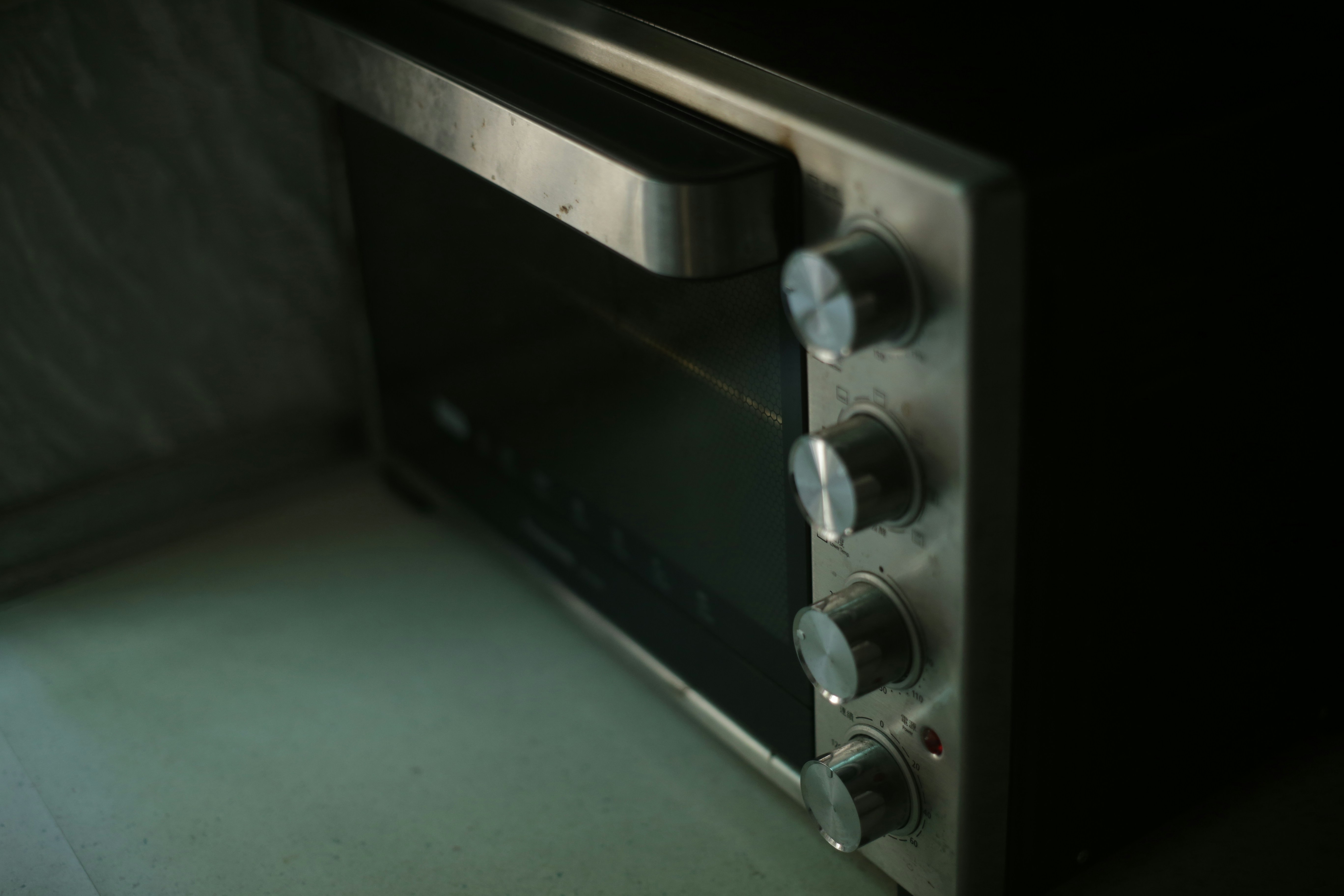
When selecting a microwave, the variety of control options available play a pivotal role in the overall user experience. Understanding these control interfaces—ranging from manual dials to sophisticated smart features—can significantly impact how easily a user interacts with the appliance. For many consumers, especially those who prioritize simplicity, manual dials remain a popular choice. These dials allow for straightforward adjustments of cooking time and power levels, eliminating the need for extensive technical knowledge.
On the other hand, digital displays have gained popularity due to their modern aesthetics and functionality. Microwaves equipped with digital controls often feature touchpads, which can provide access to a range of preset cooking modes. These presets are designed to make meal preparation more efficient and can enhance the usability for individuals who may be less familiar with cooking terms and techniques. However, digital interfaces must strike a balance; while offering advanced capabilities, they should remain intuitive to avoid overwhelming users.
Moreover, the introduction of smart microwaves—those that connect to Wi-Fi and can be controlled via smartphone apps—marks a significant evolution in usability. These models offer the benefit of remote operation and can even provide cooking assistance through step-by-step guidance. Nevertheless, the effectiveness of these features heavily relies on the user’s comfort with technology. It is critical for consumers to consider their comfort level with advanced technology when choosing a microwave.
Ultimately, when evaluating control options, factors such as ease of use, accessibility, and user-friendliness are essential. A product that caters to a diverse range of user capabilities can facilitate a better cooking experience, ensuring that everyone, regardless of technological expertise, can effectively use the appliance.
Additional Features to Look For
When choosing a microwave, numerous features beyond basic functionality can significantly enhance your culinary experience. One such feature is sensor cooking, which utilizes built-in sensors to monitor the moisture in food. This technology ensures precise cooking times and adjustments, preventing undercooked or overcooked meals. For individuals who often cook a variety of dishes, sensor cooking can be a valuable addition to enhance convenience and efficiency.
Pre-programmed settings are another beneficial feature to consider. These settings automate cooking processes for specific foods, such as popcorn, pizza, or baked potatoes. Pre-programmed settings allow users to achieve optimal cooking without having to constantly adjust times and power levels, making the cooking process more user-friendly, especially for those not well-versed in microwave operation.
Inverter technology represents a noteworthy advancement in microwave design. Unlike traditional microwaves that switch on and off to regulate power levels, inverter technology provides a continuous flow of power. This results in more even cooking and defrosting, particularly for delicate items such as seafood or custards. This feature can be particularly advantageous for home chefs aiming for professional-grade results while using a microwave oven.
Lastly, automatic shut-off capability adds a layer of safety to microwave usage. This feature ensures that the device powers down after a specific time period, preventing potential overheating or accidental fires. It provides peace of mind, particularly in homes with children, as it eliminates concerns about leaving the appliance on unattended.
Overall, by assessing these additional features—sensor cooking, pre-programmed settings, inverter technology, and automatic shut-off—buyers can make informed decisions that suit their lifestyle and cooking habits. These enhancements can transform a standard microwave into a sophisticated and versatile kitchen appliance.
Safety Features and Considerations
When purchasing a microwave, one of the primary aspects to consider is safety. Microwaves can pose risks, especially in households with children or vulnerable individuals. Therefore, understanding the safety features available can significantly reduce the chances of accidents and injuries.
One key safety feature is the child lock mechanism. A microwave equipped with a child lock can prevent young children from accidentally operating the appliance, thus minimizing the risk of burns or other serious injuries. Parents should verify that the lock is easy to engage and disengage for adults while remaining difficult for children.
Another essential consideration is overheating protection. This feature ensures that the microwave automatically shuts off if it detects excessive heat, preventing potential fire hazards. Look for models with built-in temperature sensors that monitor and regulate the internal temperature effectively.
The materials used in the construction of the microwave also play a significant role in its safety. High-quality, BPA-free plastics and stainless steel are recommended, as they are less likely to leach harmful substances during cooking. Microwaves with ceramic enamel interiors are also a good choice, as they are easier to clean and less likely to absorb odors.
In addition to these features, safe usage practices are paramount. Always follow the manufacturer’s guidelines regarding the recommended containers for microwave use. Avoid using aluminum foil or metal containers, as these can spark and lead to serious accidents. Ensure that the microwave is placed on a stable surface, away from flammable materials, and check that the door seals properly to avoid radiation leaks.
Being conscientious about these safety aspects when buying and using a microwave enhances not only personal safety but also promotes a healthier cooking environment for everyone in the household.
Energy Efficiency and Environmental Impact
When purchasing a microwave, the energy efficiency rating is a crucial factor to consider, as it directly influences both utility bills and environmental sustainability. Microwaves are categorized based on their energy consumption, with ratings such as Energy Star indicating appliances that meet strict energy efficiency guidelines set by the Environmental Protection Agency. Choosing models that carry these certifications not only reduces energy usage but also contributes to decreasing greenhouse gas emissions.
Energy consumption in microwaves is typically measured in watts, and models that use less power for the same output tend to be more efficient. For example, opting for a microwave with a wattage range between 600 to 1,200 watts can be beneficial; these units are often more efficient while delivering powerful cooking capabilities. Importantly, understanding how your microwave’s power settings correlate with cooking times can help minimize energy use. Utilizing the microwave for smaller meals or reheating can significantly cut down total energy consumption compared to traditional ovens.
Moreover, it is essential to consider additional features that enhance energy efficiency. Sensors that automatically adjust cooking times based on moisture levels in food can lead to less energy waste, as they prevent overcooking and save both time and electricity. Features such as eco modes or standby settings can also minimize energy use when the microwave is not actively in use.
Incorporating sustainable practices in your electrical usage, such as using timers, can reduce the frequency of standby power consumption. This conscious consumer behavior contributes to less stress on both your bills and the environment, aligning personal choices with wider ecological goals. Therefore, an informed decision regarding microwave energy consumption not only benefits individual utility costs but also has a broader positive impact on the environment.
Budgeting: Finding the Right Microwave for Your Price Point
When planning to purchase a microwave, establishing a budget is crucial. The price range for microwaves typically varies from about $50 for basic models to over $500 for high-end options. By being aware of what to expect within these price brackets, you can make a more informed decision tailored to your needs and financial constraints.
In the lower price range, between $50 and $150, consumers can find basic countertop microwaves. These models generally possess standard features such as defrost capabilities and varied power settings, making them suitable for everyday reheating and simple cooking tasks. However, buyers in this category may need to sacrifice advanced features like sensor cooking or inverter technology, which can lead to uneven cooking results.
Mid-range microwaves, priced between $150 and $300, tend to offer a better balance of quality and functionality. These models often incorporate features such as pre-programmed settings, larger capacities, and more efficient power levels, which cater to those who cook frequently or require more diverse cooking methods. It is within this range that shoppers can begin to find specialized features like convection cooking and grill options.
For those willing to invest between $300 and $500, high-end microwaves provide advanced technology, superior construction, and a greater variety of cooking functions. These models may include smart capabilities, built-in sensors for automatic cooking adjustments, and higher energy efficiency ratings. It is essential to ensure that such a significant investment aligns with your actual cooking needs, to avoid overspending on features that may go unused.
Additionally, to maximize your budget, seek out seasonal sales, clearance events, or bundle deals that include other kitchen appliances. Online retailers and local appliance stores frequently run promotions that can lead to significant savings. Utilizing comparison tools on various e-commerce platforms can also help identify good deals on quality products, ensuring you get the best value for your investment.