

Essential Factors to Consider When Buying a Refrigerator
Understanding Your Refrigeration Needs
Before embarking on the journey of purchasing a new refrigerator, it is essential to assess your personal refrigeration requirements. Households vary widely in size, which significantly influences the type and capacity of the refrigerator needed. For instance, a family of four will require a larger model compared to a single individual or couple. On average, larger refrigerators provide more storage space, which is advantageous for families that frequently host gatherings or for those who stock up on groceries in bulk.
Additionally, understanding the types of food stored can further refine your choice. Households that primarily store fresh produce may benefit from refrigerators with enhanced crisper drawers and humidity controls. Conversely, homes that rely heavily on frozen foods should prioritize models with spacious freezers. Moreover, considering your cooking habits is equally crucial; individuals who cook regularly will require more storage for perishables, leftovers, and ingredients.
Another important aspect to consider is your lifestyle. An active lifestyle may necessitate a refrigerator with advanced features such as energy-efficient models that save on electricity bills or those equipped with smart technology for better inventory management. Assessing how often you shop for groceries or your propensity for takeout can provide insights into the appropriate size and features needed.
In summary, evaluating your household size, food storage preferences, cooking habits, and lifestyle requirements will help streamline your choices. This analysis ensures that your new refrigerator not only fits your space but also complements your dietary needs and habits, ultimately leading to an optimized and satisfactory purchase decision. Taking these factors into account will facilitate a more informed and beneficial investment in your kitchen’s refrigeration system.
Types of Refrigerators Available
When it comes to purchasing a refrigerator, understanding the different types available is essential to meet your needs effectively. Refrigerators are not one-size-fits-all; various models cater to specific preferences, spaces, and household dynamics. Below, we will explore some of the most common refrigerator types, highlighting their advantages and disadvantages.
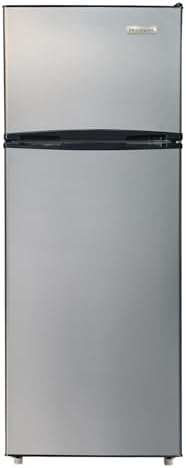
The top-freezer refrigerator is one of the most traditional designs. Typically featuring a freezer compartment located above the refrigerator section, this type offers a more economical choice and has ample capacity. However, users may find bending over to access the fridge section inconvenient, especially for those with mobility issues.
Conversely, the bottom-freezer refrigerator positions the freezer at the bottom, creating easier access to fresh food. This layout is particularly beneficial for those who frequently use the refrigeration section. However, one possible drawback is that bottom-freezer models can require more bending and may not be suitable for smaller kitchens.
Moving on to the French-door refrigerator, this modern design pairs an upper fridge section with two side-by-side doors and a bottom freezer drawer. This layout maximizes fresh food storage and provides a stylish aesthetic. Nonetheless, excellent organization is crucial, as the wider shelves may allow items to get lost if not arranged properly.
The side-by-side refrigerator offers convenient access to both freezing and refrigeration compartments, with their doors spanning the height of the appliance. Despite their space efficiency, these models can limit shelf depth, potentially impacting storage flexibility.
For those with limited space, compact refrigerators serve as ideal solutions. Often used in smaller apartments or dormitories, these models offer portability and versatility but generally come with reduced capacity and features.
By evaluating these various refrigerator types, potential buyers can better determine which refrigerator best aligns with their specific lifestyles and kitchen spaces. Careful consideration of the benefits and drawbacks of each model will ensure an informed purchase decision.
Essential Features to Look For
When choosing a refrigerator, it is imperative to consider various features that enhance both user experience and convenience. Adjustable shelving is a significant aspect, providing flexibility in organizing food items of different sizes. By allowing the shelves to be repositioned, users can maximize storage efficiency, which is especially beneficial for larger items like cake trays or beverage bottles.
Another crucial feature to contemplate is humidity controls. Modern refrigerators equipped with this capability help maintain the ideal moisture levels for fruits and vegetables, thereby prolonging their freshness. This feature is particularly advantageous for households aiming to reduce food waste and ensure optimal preservation of produce.
The availability of ice makers and water dispensers is another feature worth evaluating. These appliances offer convenience, allowing users to access chilled water and ice without needing to open the refrigerator door frequently. Such functionality can contribute to energy savings and enhance the overall experience, especially during large gatherings or hot weather.
Energy-saving modes are also an essential consideration for environmentally conscious buyers. Refrigerators that incorporate energy-efficient technology can significantly reduce electricity consumption, leading to lower utility bills while promoting sustainability. Checking for Energy Star certifications can provide assurance that the appliance meets stringent energy efficiency criteria.
Finally, smart technology integration is becoming increasingly popular in modern refrigerators. Features such as Wi-Fi connectivity enable users to monitor, control, and receive notifications about their appliance from their smartphones. Although this feature may not be a necessity for every household, it can offer added convenience for tech-savvy consumers.
By carefully assessing these key features, prospective buyers can make informed decisions that align with their lifestyle and budgetary needs, ensuring their refrigerator serves them effectively for years to come.
Energy Efficiency and Cost Considerations
When purchasing a refrigerator, one of the crucial factors to consider is energy efficiency. Modern refrigerators are not just appliances for food storage; they play a significant role in energy consumption within a home. The Energy Star label is an important indicator of a model’s energy efficiency. Refrigerators bearing this certification meet strict energy performance standards set by the U.S. Environmental Protection Agency (EPA). This label signifies that the product consumes less energy compared to non-certified models, leading to reduced greenhouse gas emissions and potentially lower utility bills.
The long-term cost savings associated with energy-efficient refrigerators can be substantial. Although the upfront cost of an Energy Star certified model might be higher than that of a standard refrigerator, the savings accrued over time often justify this initial investment. According to the U.S. Department of Energy, an energy-efficient refrigerator can save homeowners between $50 to $300 over its lifetime, depending on the model and usage. This is particularly important for appliances like refrigerators, which operate continuously and can significantly impact monthly energy expenses.
To effectively evaluate the lifetime costs of owning a refrigerator, consumers can calculate the total cost of ownership. This includes not only the purchase price but also energy use, maintenance, and any potential repairs. By estimating the average monthly energy consumption, which can be found on the Energy Guide label, and multiplying it by the local utility rate, consumers can gain an understanding of the long-term financial implications. Taking these factors into account will help buyers make informed decisions, ultimately leading to energy savings and improved efficiency in their households.
Size and Dimensions of the Unit
When purchasing a refrigerator, the size and dimensions of the unit are critical factors that directly impact both functionality and aesthetics within your kitchen space. To begin, it is essential to accurately measure the designated area where the refrigerator will be placed. This involves not only the width and height of the space but also the depth. Make sure to consider the available clearance for the door swings; neglecting this may hinder access when opening the refrigerator doors fully.
Furthermore, when determining the size of the refrigerator, an understanding of appropriate capacity is vital. The general guideline suggests that a household of two people may require a refrigerator with a capacity of around 14 to 20 cubic feet, whereas larger families may need upwards of 20 to 30 cubic feet or more. Evaluating your storage needs is crucial; consider how frequently you shop for groceries, what items you purchase, and whether you need additional space for bulk items.
Moreover, fitting the refrigerator seamlessly into your kitchen layout contributes to a well-coordinated design. Beyond merely fitting, think about the proximity to other appliances and the overall traffic flow within the kitchen. Incorporating adequate ventilation space is also important, as many units need a few inches of space around them for optimal performance and to prevent overheating. Taking these factors into account not only enhances practicality but also ensures that you select a refrigerator that complements your kitchen’s design and serves your family effectively.
Budgeting for Your Refrigerator Purchase
When planning to purchase a refrigerator, establishing a sensible budget is a critical step that can influence your decision-making process. The initial purchase price is often the most significant factor; however, it is essential to consider several additional costs that can arise, which may impact your overall expenditure.
First, consider the upfront costs associated with different refrigerator models. Pricing can vary widely depending on the size, style, brand, and features. It’s advisable to assess your specific needs and preferences based on your kitchen layout and lifestyle. Compact models may be more budget-friendly, but larger, feature-rich units often come with a higher price tag. Review both standard and premium options, as the market is replete with varying price points.
Beyond the initial cost, several hidden fees can catch buyers off guard. Delivery charges may apply if the retailer provides this service, and costs can increase if you require specialized installation. Additionally, consider the potential costs of extended warranties, which can offer peace of mind but may add significantly to your total investment. Understanding these hidden fees ahead of time can help you avoid unexpected expenses.
Finding discounts or deals can significantly impact your budget. Retailers often run promotions, especially during holiday seasons or end-of-year sales. Comparing prices from various vendors or utilizing online discount codes can ensure that you secure a fair deal without compromising on quality. Another helpful financing option includes low-interest credit plans, which can allow you to manage your budget more comfortably over an extended period.
In conclusion, approaching your refrigerator purchase with a comprehensive budgeting strategy, considering both the obvious and hidden costs, will help you make a well-informed decision while ensuring that you stay within your desired financial parameters.
Brand Reputation and After-Sales Service
When choosing a refrigerator, one of the key factors to consider is the brand reputation. A well-respected brand often indicates not only quality products but also reliable customer service and support. Researching different refrigerator brands can provide insight into which manufacturers are known for durability, efficiency, and innovation. Websites that specialize in appliance reviews can offer valuable information regarding models that have performed well over time, receiving high marks from consumers.
Furthermore, it is essential to read customer reviews and ratings. These testimonials can reveal common experiences related to both the appliances’ performance and the manufacturer’s customer support. Pay special attention to recurring issues mentioned in reviews, as well as comments on how well the company handles complaints and warranty claims. This information can help potential buyers avoid brands that lack support and reliability.
Warranty options also play a significant role in evaluating a refrigerator’s worth. A comprehensive warranty not only reflects a brand’s confidence in its product but also provides peace of mind for the consumer. Look for brands that offer extended warranties, as these can be indicative of superior craftsmanship and an authentic commitment to customer satisfaction. Additionally, inquire about the details of the warranty, including what parts are covered and the duration of coverage.
After-sales service is equally important to consider. A reputable brand will typically have a dedicated customer support system to address inquiries, schedule repairs, or provide maintenance tips. Assessing the availability of service centers in your area can also help ensure that assistance is easily accessible if needed. In conclusion, a solid brand reputation coupled with robust after-sales support will greatly enhance your overall experience and satisfaction with your refrigerator purchase.
Making the Purchase and Delivery Arrangements
After determining the specifications and features that fit your needs, selecting a retailer becomes the next significant step in purchasing a refrigerator. It is advisable to shop from reputable stores, whether they are local establishments or large retail chains. Consider factors such as customer service reviews, warranty offerings, and return policies. Online and in-store options are available, and both have their benefits; for instance, in-store shopping allows for unit inspection while online shopping often provides extensive price comparisons.
Once you have selected your retailer and chosen the refrigerator that meets your criteria, it is important to explore delivery arrangements. Many retailers offer delivery services, which can streamline the process for you. Be sure to inquire about delivery fees, time slots, and options for installation. Some retailers might even provide free delivery promotions, depending on the purchase price. Confirming these details at the time of purchase can help avoid unexpected costs later.
Upon delivery, it is essential to inspect the unit carefully. Check for any damage sustained during transport, as well as ensuring that it meets your specifications. Verify that the refrigerator operates properly by checking its functions, temperatures, and seals. If you notice any discrepancies or damages, document the findings and report them to the retailer immediately, following their guidelines for returns or exchanges.
Establishing effective communication with the retailer can also benefit future maintenance and warranty claims. By keeping all documentation related to your purchase handy, including receipts and warranty information, you will be well-prepared for any issues that arise post-delivery.
Conclusion: Making Your Final Decision
When embarking on the journey of purchasing a refrigerator, it is essential to synthesize the various factors discussed throughout this blog post. A refrigerator is not merely a household appliance; it is a crucial component of modern living that heavily influences both your convenience and lifestyle. The five essential factors to consider—size and capacity, energy efficiency, features, price, and brand reputation—serve as guiding principles in navigating the multitude of options available in the market.
Size and capacity should align with your household’s needs, ensuring that you have adequate space for groceries while avoiding wasted energy on unoccupied features. Energy efficiency is equally critical, as selecting an appliance with a good rating can lead to significant savings on utility bills over time, contributing to a more sustainable lifestyle. Moreover, the technological features that come with a refrigerator—whether it be smart technology, adjustable shelves, or ice makers—should complement your daily activities rather than complicate them.
Your budget is another vital consideration. While it is tempting to opt for a lower-priced model, striking a balance between cost and quality is paramount. Investing in a reputable brand often translates to better longevity and performance. Ultimately, personal preferences should not be overlooked; your unique lifestyle may require specific features that enhance your culinary experience.
Before finalizing your decision, reflect on all these factors within the context of your personal needs and preferences. Weighting functionality against budget and lifestyle will guide you toward a refrigerator that not only meets your practical requirements but also fits seamlessly into your home. By taking the time to evaluate each aspect thoroughly, you can proceed with confidence, knowing you have made an informed choice.