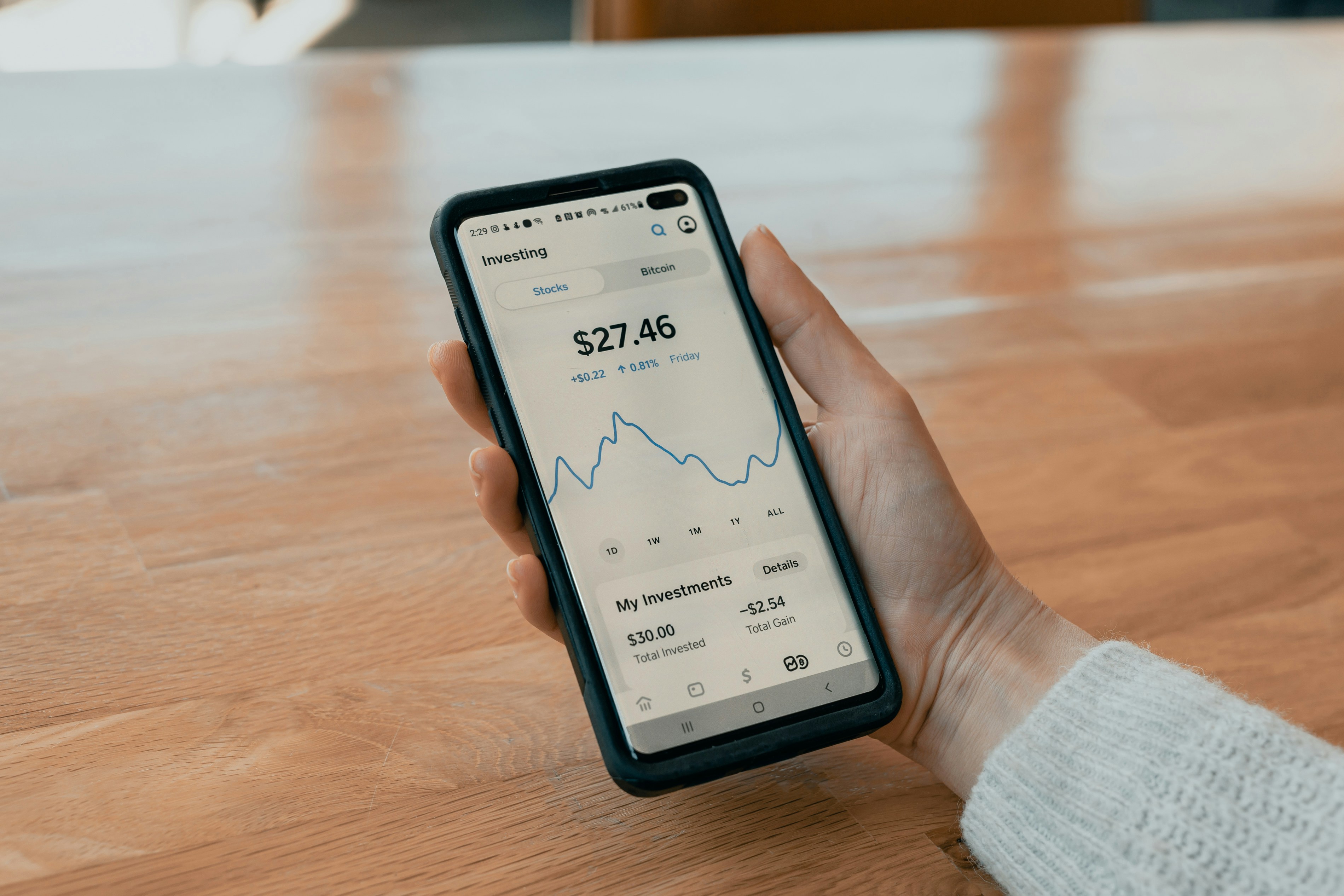
Understanding Habit Trackers
Habit trackers are tools designed to help individuals monitor and cultivate specific behaviors over time. They serve the primary purpose of enhancing self-discipline and accountability by systematically recording habits or goals. By utilizing a habit tracker, users can visualize their progress and identify patterns, making it easier to stay committed to personal objectives, whether those are related to productivity, health, or personal development.
There is a wide variety of habit trackers available today, catering to different preferences and lifestyles. Digital apps are among the most popular options, boasting features such as reminders, customizable templates, and detailed analytics. These applications often enable users to track multiple habits simultaneously and can sync data across devices, supporting seamless accessibility. Common examples include platforms that focus on fitness, meditation, or productivity.
On the other hand, physical habit trackers, such as journals or planners, provide a tangible alternative for those who prefer writing over screens. These trackers allow users to design their own systems, often incorporating motivational quotes or personal reflections alongside habit tracking. The simplicity of a physical format can encourage users to engage more deeply with their goals, enhancing motivation and fostering a sense of accomplishment.
Regardless of the format chosen, many habit trackers share common features. Typically, they allow users to set specific goals, monitor progress, and adjust habits as needed. Some also offer visualization tools, such as charts or graphs, to illustrate progress over time, effectively conveying information that can enhance motivation. Ultimately, the choice of habit tracker will depend on individual preferences, and understanding the nuances of each can guide individuals toward making an informed decision that aligns with their personal objectives.
Defining Your Goals and Habits
When embarking on the journey of utilizing a habit tracker, the first step is to clearly define your goals and identify the specific habits you wish to monitor. This process is critical, as having a clear understanding of your intentions will shape the efficacy of the habit tracker you select. It is essential to differentiate between short-term and long-term goals, as each may require different approaches and tracking methods. For instance, if your aim is to improve your fitness level, you might track daily exercise routines, water intake, and sleep patterns.
Furthermore, it is important to establish what specific habits you want to cultivate or eliminate. Do you wish to focus on productivity, health, self-care, or personal relationships? Creating a list of these habits enables you to make more informed decisions about the features you need in a habit tracker. Clarity is vital here; vague goals such as “be healthier” may lead to a lack of direction in your tracking efforts. Instead, opt for specific objectives like “exercise three times a week” or “read for 30 minutes daily.”
Once you have identified your goals and habits, ensure that the habit tracker you choose aligns with these objectives. There are numerous habit tracking tools available—some may be app-based, while others are physical journals. Select a tracking system that resonates with your lifestyle and is user-friendly. This alignment will enhance your motivation and increase the likelihood of achieving your aspirations. Remember, a well-defined goal not only provides a roadmap for your endeavor but also serves as a source of accountability in your habit-tracking journey.
User Interface and Experience
The user interface (UI) and user experience (UX) of a habit tracker are pivotal in determining its effectiveness. An intuitive design enhances usability, allowing users to navigate the application effortlessly, which is crucial for encouraging consistent habit tracking. A well-designed habit tracker does not merely serve a functional purpose; it should also create a pleasant interaction that motivates users to engage with their goals regularly.
When assessing a habit tracker, one of the first elements to consider is the ease of navigation. The application should facilitate a straightforward path from viewing habits to inputting data and assessing progress. A streamlined navigation system enables users to focus on their tracking efforts rather than becoming lost in complicated menus. Additionally, the implementation of clear labels and easily accessible features plays a significant role in enhancing the overall experience.
Visual appeal is another critical factor in the usability of a habit tracker. A visually appealing interface can significantly boost user engagement. Colors, fonts, and layouts should be chosen wisely to foster an inviting atmosphere while promoting clarity. The aesthetic component of the habit tracker should not be underestimated; an engaging design can inspire users to interact with the app more frequently. Furthermore, incorporating visual elements such as graphs and charts allows users to comprehend their progress at a glance, aiding in motivation and reinforcing positive behaviors.
Customization options also enhance the user experience. A habit tracker that allows users to tailor features according to personal preferences can foster a sense of ownership and connection. Whether it is customizing colors, adding unique habit categories, or selecting desired reminders, such flexibility can lead to a more enjoyable and effective tracking experience. Ultimately, a well-designed user interface combined with thoughtful user experience considerations results in a habit tracker that encourages users to persistently pursue their goals.
Integration with Other Tools
When selecting a habit tracker, one of the crucial factors to consider is its ability to integrate with other digital tools and applications. Modern users often rely on various platforms to manage their daily lives, such as calendars, fitness trackers, and productivity apps. Therefore, a habit tracker that offers seamless synchronization with these tools can significantly enhance user experience and effectiveness.
For instance, a habit tracker that syncs with your calendar allows you to visualize your commitments alongside habit goals. This integration enables users to allocate specific times to focus on their habits, thus improving the likelihood of adherence. By receiving reminders on scheduled activities, users can establish a consistent routine, leading to better habit formation.
Furthermore, compatibility with fitness trackers can offer a comprehensive overview of health-related habits, combining data such as exercise, sleep, and dietary habits in a singular operating environment. This holistic view can facilitate informed decision-making, making it easier to identify correlations between one’s physical activities and productivity levels. When fitness indicators are integrated within the habit tracking system, users can track their overall well-being more effectively over time.
Similarly, the integration of productivity tools can streamline task management. A habit tracker that connects with apps like Trello or Asana allows users to align their habit goals with work objectives. As various projects and personal development goals emerge, the ability to synchronize tasks with habit formation can lead to a structured approach to achieving broader life ambitions.
In summary, the integration capabilities of a habit tracker with other tools are pivotal for enhanced user experience. Choosing a habit tracker that excels in this aspect can support users in managing their habits in conjunction with other facets of their lives, augmenting both productivity and personal growth.
Customization Features
When choosing a habit tracker, customization features play a pivotal role in ensuring the tool meets an individual’s specific requirements. A one-size-fits-all approach rarely satisfies diverse preferences and habits. Therefore, the ability to tailor tracking systems is essential for fostering effective habit formation.
One significant aspect of customization is setting reminders. A good habit tracker allows users to establish personalized notifications based on their schedules and preferences. This feature can help reinforce commitment by prompting users at opportune times, thus enhancing accountability. By fine-tuning reminder settings, individuals can find the right balance that encourages consistency without being intrusive.
In addition to reminders, selecting the metrics to focus on is another critical customization aspect. Different users may have varying priorities, such as tracking daily water intake, exercise frequency, or meditation sessions. A versatile habit tracker offers flexibility in metric selection, enabling users to monitor what matters most to them. Adjusting these indicators not only provides a tailored experience but also allows for more effective behavioral analysis.
Moreover, visual elements of the tracker can significantly affect user engagement. Customization options regarding graphs, colors, and layout help users create an appealing visual representation of their habits. Aesthetic preferences vary from person to person, and a habit tracker that accommodates these preferences can enhance motivation and make the process more enjoyable.
Cumulatively, the ability to customize a habit tracker is crucial for ensuring it resonates with the user’s unique lifestyle and goals. Tailoring reminders, metrics, and visuals fosters a more personalized experience, ultimately leading to improved habit adherence and personal growth.
Community and Support Features
When selecting a habit tracker, the importance of community and support features cannot be overstated. These elements play a crucial role in enhancing the user experience, as they provide motivation, accountability, and a network of users with shared goals. Most habit trackers today incorporate various community tools such as forums, social media groups, and in-app communities where users can connect, share their progress, and celebrate achievements together.
Community forums allow individuals to discuss challenges, share tips, and offer advice, creating a supportive environment. Being a part of this network often encourages users to stay committed to their goals, making the journey to habit formation less isolating and more collaborative. Likewise, motivation tools, such as badges, milestones, or peer recognition, serve to reinforce positive behavior, thereby increasing engagement and retention.
In addition to user-driven support, effective customer support is paramount when choosing a habit tracker. Having a responsive support system means that users can quickly receive assistance with any technical issues or inquiries, which can greatly enhance their overall experience. This support ultimately empowers users to utilize the tracker effectively, helping them to remain focused on their goals while minimizing potential frustrations.
Moreover, the integration of community and support features often leads to a sense of belonging. This aspect is particularly valuable in the realm of personal development, where the journey towards managing habits can sometimes appear daunting. A supportive community can provide the encouragement needed to overcome obstacles, thus significantly influencing long-term behavioral change.
Price and Budget Considerations
When considering the purchase of a habit tracker, one of the most critical aspects is understanding the various pricing models available. Habit trackers can come in several forms, including one-time purchases, subscription services, or even free applications. Each pricing structure has its own set of advantages and drawbacks that can influence your overall experience and satisfaction.
One-time purchase options often require an initial investment but do not involve recurring fees. This can be an appealing choice for users who prefer to make a single payment without the concern of ongoing costs. However, such trackers may not receive regular updates or new features, which might limit their long-term usability and effectiveness.
On the other hand, subscription-based habit trackers typically offer a range of features and benefits that can justify their recurring costs. These services often provide regular updates, new functionalities, and access to community features that can enhance the user experience. It is important to evaluate how frequently you plan to use the tracker and whether its ongoing investments align with your personal habits and goals.
For those on a tight budget, there are plenty of free habit tracker options available that can still offer substantial value. While these tools may lack some advanced features, they often cater to essential tracking needs, making them suitable for beginners or individuals looking to dabble in habit formation without financial commitment.
Ultimately, evaluating your budget and determining what features are most important to you can guide your decision-making process. A thoughtful consideration of both price and functionality will help you select a habit tracker that fits your specific needs, thus supporting your journey toward building healthier habits.
Data Tracking and Analytical Tools
When selecting a habit tracker, the data tracking capabilities are foundational to its effectiveness. A well-designed habit tracker will incorporate robust analytical tools that allow users to monitor their progress over time. The ability to capture detailed data through various methods such as daily logs, checklists, or automated reports is essential. This not only helps in understanding one’s habits but also in identifying patterns that can be modified for improvement.
Analytical features typically include visual representations of data, such as graphs and charts, which can effectively illustrate trends in behavior and progress. These insights enable users to gauge their adherence to habits and recognize where adjustments may be necessary. For instance, if a user notices a pattern of declining progress in a specific area, they can implement strategies to overcome obstacles, thereby promoting a more focused approach to habit formation.
Furthermore, the significance of setting milestones within a habit tracker cannot be overstated. Milestones serve as motivational checkpoints, offering a sense of achievement as users reach different stages of their journey. By integrating goal-setting features, a habit tracker can guide users in their pursuit of personal growth, allowing them to break down larger objectives into manageable segments. This structured methodology not only fosters a sense of accountability but also encourages continuous engagement with the tracking process.
In conclusion, the data tracking and analytical capabilities of a habit tracker play a crucial role in its overall utility. By leveraging analytical tools and setting actionable milestones, individuals can cultivate effective habits, leading to sustained personal improvement and fulfillment in their efforts.
Final Thoughts and Recommendations
As we conclude our discussion on the essential factors to consider when selecting a habit tracker, it is important to recap the major elements that can influence your decision. The effectiveness of a habit tracker largely depends on features such as ease of use, customization options, and analytical capabilities. Furthermore, the integration of reminders and social sharing can significantly enhance motivation, contributing to better habit formation. It is crucial to identify which of these factors resonate most with your personal goals.
When choosing a habit tracker, consider your specific needs. For instance, if you prefer a digital solution, look for apps that offer a user-friendly interface, mobile access, and synchronization across devices. If you are inclined toward traditional methods, a physical journal or planner may suit you better, especially if you find writing things down helps reinforce your commitment.
Additionally, evaluating the level of support provided by the tracker can be beneficial. Some habit trackers offer community features or expert advice, which are particularly useful for individuals who thrive in collaborative environments. Meanwhile, if you seek to independently track progress with minimal distractions, focus on simpler, more streamlined options that allow for quick entries without excessive notifications.
Ultimately, the right habit tracker should align with your preferences and lifestyle. Experimenting with different formats—whether digital or analog—can help you find a solution that not only fits your routine but also enhances your overall productivity. By reflecting on these factors and tailoring your choice to your unique habits and goals, you can pave the way for meaningful habit development and long-lasting change.