
Essential Factors to Consider When Buying a Treadmill
Identify Your Fitness Goals
Before investing in a treadmill, it is essential to first evaluate your fitness goals. Understanding these objectives will guide your selection process and ensure that the treadmill you choose effectively supports your pursuits. Different individuals may have different aspirations when it comes to fitness, such as weight loss, endurance training, or rehabilitation. Each of these goals may require specific features that a treadmill can offer, making it crucial to identify those needs upfront.
If weight loss is your primary aim, consider a treadmill with varying speed settings and incline options. These features can mimic the conditions of outdoor running, which is beneficial for burning calories. Additionally, many modern treadmills come equipped with heart rate monitors, allowing you to track your efforts and ensure that you are within your target heart rate zone, maximizing fat loss during your workouts.
For those focused on endurance training, look for a treadmill that supports longer runs without compromising performance. Key aspects such as deck size, build quality, and motor horsepower are vital to ensure compatibility with extended usage. A larger running surface, for example, provides comfort and safety during long sessions, helping you train effectively over time.
Individuals recovering from injuries or those in need of rehabilitation may benefit from treadmills that include lower impact settings and gentle incline capabilities. These features facilitate a safer workout by reducing strain on joints while still promoting cardiovascular benefits. Furthermore, many treadmills now offer preset programs designed specifically for rehabilitation, making it easier to follow a structured approach to recovery.
Aligning your fitness goals with the capabilities of a treadmill will significantly enhance your exercise regimen, leading to improved results and a more fulfilling workout experience. Taking the time to assess your objectives will ensure that the investment you make in a treadmill is well worth it.
Understanding the Key Features of a Treadmill
When selecting a treadmill, it is crucial to comprehend the essential features that can significantly influence your running experience. The first aspect to consider is the motor power. Treadmill motors are typically measured in horsepower (HP) and play a pivotal role in determining how well the machine can handle your weight and the speed of your workout. A higher peak horsepower is preferable for frequent runners, as it ensures smoother operation and the ability to accommodate high-intensity workouts without overheating.
Another critical feature to evaluate is the belt size. A wider and longer belt can provide adequate space for running, particularly for those with longer strides. Standard belt dimensions range from 18 to 22 inches in width and 54 to 60 inches in length. Selecting the right dimensions is vital for both comfort and safety, ensuring that you do not feel constrained during your workout.
Incline options are yet another important consideration. Many treadmills offer adjustable incline settings, which allow users to simulate uphill running conditions. This feature not only diversifies your workout routine but also enhances the challenge and promotes muscle engagement, particularly in the legs and glutes. Some models even offer decline settings, which can provide additional workout versatility.
Lastly, display metrics contribute significantly to the running experience. A user-friendly console that provides information such as speed, distance, time, calories burned, and heart rate can help you monitor your progress and stay motivated. Look for treadmills with backlit displays for clear visibility during your workouts.
In summary, understanding motor power, belt size, incline options, and display features will empower you to make a well-informed choice when purchasing a treadmill, thereby ensuring a satisfying investment in your fitness journey.
Evaluate Space and Size Requirements
When considering the purchase of a treadmill, evaluating the space and size requirements is an essential factor to ensure that the equipment fits well within your home environment. Treadmills come in various dimensions, and understanding the available space in your home will help you choose the right model that meets both your fitness needs and spatial constraints.
First and foremost, measure the area where you plan to place the treadmill. Consider not only the footprint of the treadmill itself but also allow for extra room. A minimum clearance of 2 feet on either side and at the back is ideal to ensure safety during use. This space is crucial for safe jogging or running, as it provides room for emergency stops or unexpected movements.
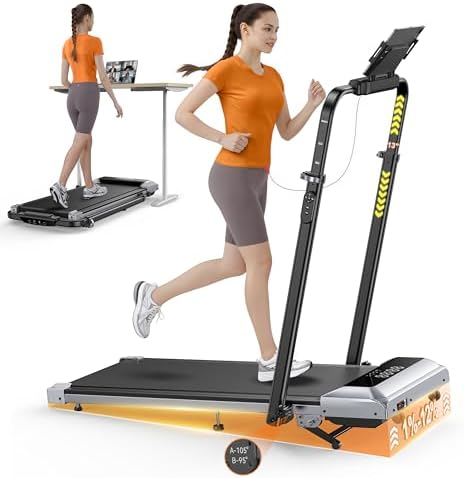
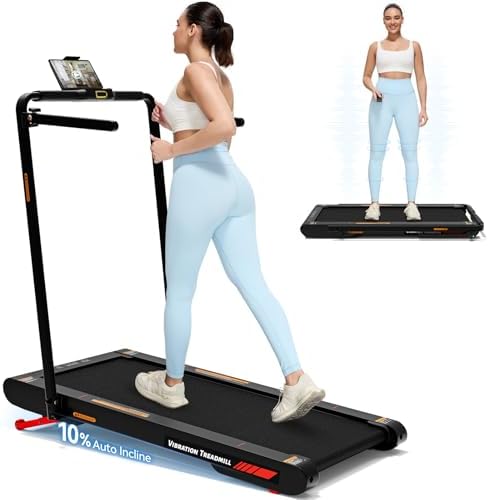
In addition to these dimensions, many modern treadmills come equipped with folding options. If space is limited, a foldable treadmill can be an excellent choice, enabling you to store the treadmill away when not in use. The folding capability allows the user to maximize home space effectively while still enjoying the benefits of regular treadmill workouts. Be sure to check the mechanism for ease of use and how compact the unit becomes when folded.
It is also essential to consider where to place the treadmill. Make sure the location is on a flat, stable surface. Carpeting or uneven flooring can affect the performance and stability of the machine. Furthermore, ensure that the area is well-ventilated, particularly if you plan to use the treadmill frequently, as proper airflow will enhance your workout experience.
By carefully evaluating your space and size requirements alongside the dimensions of the chosen treadmill, you can ensure a suitable fit that promotes a safe and enjoyable exercise routine in your home.
Determine Your Budget
When considering the purchase of a treadmill, it is crucial to establish a realistic budget. Treadmills vary significantly in price, influenced by factors such as brand reputation, features, and construction quality. Generally, one can find budget-friendly models ranging from around $300 to $600, which may suffice for casual users who plan to walk or jog occasionally. However, for individuals seeking to incorporate more intensive workouts or for those who prioritize reliability, investing in a mid-range treadmill priced between $700 and $1,500 may be more advantageous.
Higher-end models, often exceeding $1,500, typically come equipped with advanced features such as high-quality motors, sophisticated tracking systems, and enhanced durability. These treadmills are designed for frequent and intense use, making them a suitable choice for serious fitness enthusiasts or those who plan to use the treadmill as a primary workout tool.
While it may be tempting to opt for a cheaper option, it is important to consider the long-term implications of such a decision. A more affordable treadmill may save money upfront but could lead to additional expenses down the line due to repairs or a shorter lifespan. By setting aside a little extra budget, consumers are more likely to access a model that offers durability and a better user experience, potentially reducing the need for future replacements. Investing wisely in a treadmill not only enhances workout efficiency but also contributes to long-term satisfaction with the purchase.
Read Reviews and Recommendations
When considering the purchase of a treadmill, it is crucial to read both expert reviews and user testimonials. This research is vital as it allows potential buyers to gain insight into various brands and models. Reviews often highlight the strengths and weaknesses of specific treadmills based on extensive testing, which is particularly beneficial for consumers who may not have the opportunity to try the equipment before purchasing.
User testimonials provide a different perspective by sharing real-life experiences. Customers often discuss their satisfaction with features, ease of use, durability, and customer service provided by the manufacturer. Observing trends in user feedback can help identify any recurring issues or highly praised aspects of certain treadmill models, allowing buyers to make more informed decisions.
Furthermore, it is advisable to research well-established brands that have a track record of producing reliable exercise equipment. Brands with positive reputations are more likely to provide high-quality treadmills that meet consumer expectations. In contrast, new or lesser-known brands may not have as much user feedback available, making it riskier to invest in their products.
Additionally, exploring multiple review platforms can provide a broader perspective. Websites that aggregate expert reviews and user comments can serve as a valuable resource, giving potential buyers a comprehensive understanding of the pros and cons associated with various treadmills. Ultimately, thorough research into reviews and recommendations is essential for ensuring customer satisfaction and obtaining a treadmill that aligns with both fitness goals and budget constraints.
Understanding Warranty and Customer Support
When investing in a treadmill, it is crucial to consider the warranty and customer support that accompany your purchase. A warranty serves as a protection plan, covering repairs or replacements for any manufacturer defects or issues that may arise during normal use. Typically, treadmill warranties can vary widely, ranging from one year for basic parts to a lifetime warranty on the frame and motor.
The specifics of these warranties are essential to understand; they often outline what components are covered and the duration of the coverage. For example, while many models include a warranty for the frame and motor, other parts such as electronics or labor may have limited coverage. Knowing these details can help you gauge the durability and reliability of the product you are considering.
Customer support is another critical factor that often gets overlooked in the purchasing process. A responsive and knowledgeable customer support team improves your experience significantly, especially if you encounter issues with your treadmill post-purchase. Prioritizing brands that have a reputation for strong customer service can help ensure quick resolutions to any potential problems, making the overall investment more thorough and secure.
Researching customer reviews and manufacturer reliability is key when assessing warranty options. This information can provide insight into the actual experiences of other users regarding the warranty claims process and the efficacy of the support team. Taking the time to verify these factors can be a dealbreaker and may guide you toward a more satisfactory treadmill purchase.
In conclusion, thoroughly examining both the warranty and the customer support options available is essential when purchasing a treadmill. This ensures not only that you are covered in case of defects but also that assistance will be accessible if needed.
Assess Safety Features
When selecting a treadmill, the assessment of safety features is crucial for ensuring a secure workout environment. A treadmill equipped with robust safety mechanisms can significantly mitigate the risk of injury during use. One of the most vital safety components is an emergency shut-off switch. This feature typically consists of a tethered key that, when detached, automatically halts the machine. Ensuring this functionality is in place is imperative, especially for users who may be exercising vigorously.
Another important aspect to consider is the stability of the treadmill itself. The treadmill should be designed with a sturdy base that minimizes the risk of tipping over or wobbling, which may lead to accidents during operation. In evaluating treadmill stability, examine the frame construction and overall weight of the unit; heavier models often provide better stability compared to lighter counterparts.
Additionally, for households with children or pets, child safety features are a necessity. Many modern treadmills come with safety locks or mechanisms that prevent unintended activation. Such features can significantly decrease the risk of accidents when not in use. Furthermore, when selecting a treadmill, evaluate the placement and design of handrails. Well-positioned and securely attached handrails can help users maintain balance while exercising, thus enhancing overall safety.
Finally, it is advisable to check for other safety certifications or standards that the treadmill meets, ensuring that it adheres to relevant guidelines for fitness equipment. By thoroughly assessing these safety features, buyers can ensure that they select a treadmill that not only helps achieve fitness goals but also prioritizes user safety during workouts.
Explore Additional Features and Technology
When considering the purchase of a treadmill, evaluating the additional features and technology can significantly enhance your overall workout experience. Modern treadmills are not solely focused on basic operational elements; they have evolved to integrate advanced functionalities aimed at promoting engagement and effectiveness.
For instance, heart rate monitors are prevalent in many treadmill models, enabling users to track their cardiovascular performance in real-time. Monitoring your heart rate can be crucial to ensure that you are training within your target zone, maximizing the benefits of your workout while helping to avoid potential overexertion. Many treadmills offer this capability either through built-in sensors or via chest straps that sync seamlessly with the machine.
Another beneficial feature to consider is Bluetooth connectivity, which allows for integration with mobile applications and fitness trackers. This feature not only tracks your performance metrics but also allows easy sharing of progress and access to personalized workout plans. Coupled with entertainment options—such as built-in screens for streaming media or workouts—these amenities can help to mitigate the monotony often associated with indoor running or walking.
Workout programs are another technology enhancement worth noting. A treadmill equipped with a variety of preset workouts can adapt to different fitness levels and goals, systematically guiding the user through intervals or varied incline settings. This customization can keep workouts fresh and motivate individuals to push themselves further, thereby enhancing their fitness journey.
While these additional features may add to the overall price of the treadmill, their benefits may justify the cost for many users. Ultimately, weighing the importance of such technology against personal fitness goals can help determine whether these features are worth considering in your treadmill purchase.
Making the Final Purchase Decision
When it comes to making a final decision on purchasing a treadmill, it is crucial to reflect on all the essential factors discussed previously. These considerations include the treadmill’s features, cost, warranty, and space requirements. By weighing these aspects against your personal needs and preferences, you can ensure that your choice will enhance your fitness journey.
Before committing to a purchase, visiting a store to physically test different treadmill models is advisable. This tactile experience allows you to assess the comfort, noise level, and overall functionality of each machine. Walking or jogging on the treadmill can provide invaluable insights that online descriptions may not convey. Pay attention to the treadmill’s responsiveness to your movements, impact cushioning, and user interface, as these features can significantly affect your workout experience.
Additionally, engaging with sales representatives can be advantageous. They often possess detailed knowledge of the products and can offer insights into which models are best suited for your fitness goals. Do not hesitate to ask questions regarding the treadmill’s specifications, customer support, and after-sales services. A knowledgeable sales associate can clarify any doubts, helping you feel more confident in your choice.
Moreover, to secure the best deal, consider looking out for seasonal discounts, sales events, and financing options. Many retailers provide special offers that could reduce the overall cost, making the investment in your health more manageable. Also, researching customer reviews online can offer guidance on the reliability and performance of specific brands and models, steering you away from potential pitfalls. Ultimately, combining personal preferences with practical considerations can lead to a wise and rewarding investment in a treadmill that meets your fitness needs.